Part one
We live in the fastest time in human history. And guess what – a slowdown in the pace of work isn't coming. We're looking for ways to automate as much as possible so we can attend to other tasks. We are constantly exceeding our performance, integrating AI into everything possible, and discovering more ways to simplify things.
This article was created in response to the fact that even though we can automate and digitize most things today (Yes, your work processes as wellnot everything can be done for us by a computer. Sometimes even an analog alarm clock can't get us out of bed. The human factor often fails. And understandably so. We are overwhelmed with tasks, we have a million windows open in our minds at once, and we click through them one by one. That we then burn out? We're not surprised.
But there are also hacks for people.
to streamline our own software. But so you don't have to add another item to your already-full to-do list, we've done the research for you. In this article, we'll delve into science-backed hacks that will help you maximize productivity, achieve more in less time, and not go crazy.
Since productivity is an extremely broad topic and we don't want to deprive you of any important information, we've decided to divide this article into two parts. So let's get started!
Fundamental Pillars of Maximal Biological Performance
The coordination of Earth's rotation and human biology is no accident. The management of your day in its entirety can be optimized by utilizing science-backed protocols. When is your body temperature at its lowest point? How does daylight influence your circadian rhythm? The following information is supported by high-quality peer-reviewed scientific knowledge published in excellent journals.
The fundamental pillars of mental, physical health, and performance are:
Optimal light
Sunlight first thing in the morning signals to the body that it is Time to jump out of bed. It also helps regulate the body's circadian rhythm, which in turn signals that it's time to sleep later at night.
Furthermore, sunlight is the best way to absorb Vitamin D (the “sunshine vitamin"), which is a natural remedy for improvement of bone strength and immunity (among other benefits). Research suggests that vitamin D may improve brain function and memory.
2. Optimal Sleep
Sufficient sleep helps us feel better both mentally and physically, obviously. Yet, despite this, we often don't give sleep the importance it deserves. General recommendations advise adults to sleep at least seven hours a day. Optimal sleep helps reduce stress, regulate the body's internal systems, and improve mood. Hand on heart, who is pleasant when they're sleep-deprived?
Your sleep quantity and quality can also be supported by introducing a routine sleep schedule 30 minutes to an hour before bed, going to sleep and waking up at the same time, and sleeping in a dark, cool environment.
3. Optimal movement
Another pillar, which will likely not be new to you, is the importance of exercise. Scientist Dr. Hubermann advises incorporating into your Resistance training program, aerobic exercise, and cardio exercise (not in one day, we don't want you to be the Hulk again).
His protocol recommends at least 150 minutes of moderate to vigorous physical activity (imagine brisk walking or cycling) or 70 minutes of intense exercise (imagine running or cardio) every week along with at least two days of strength training.
Movement helps the brain stay strong, improves cardiovascular health, and reduces stress. One CDC expert calls walking „the closest thing we have to a magic drug.“ As our muscles atrophy with age, it's up to your personal discretion to increase strength and resistance training.
However, the best way to long-term to maintain an exercise regimen, is to choose something you enjoy and can stick with to adhere. It's all about consistency. If strength and endurance training isn't your cup of tea, focus on what you can practice on a consistent basis and don't have to force yourself to do.
4. Optimal relationships (all kinds, including relationships with oneself).
Feelings of social isolation and loneliness health problems Consequences comparable to smoking up to 15 cigarettes a day (!!). Furthermore, loneliness can increase the risk of dementia, depression, and anxiety, as well as other health problems.
The strength of our social relationships largely determines our level of happiness. Maintaining and forming friendships and deeper connections is an integral part of maintaining health.
Volunteering or participating in groups for activities or hobbies – and these are just a few examples – can help people gain sense of belonging.
However, let's not forget the most important relationship – the one with ourselves. Make uncompromising and regular “me-time" a priority.“, where you can indulge in relaxation. Read that book that's been gathering dust. Go try an activity you've been eyeing for a while. Turn off your phone and head into nature. Simply clear your head and reconnect with the simplicity of the present moment. Your tomorrow self will thank you for it.
Optimizing productivity at work
Research on work efficiency claims that a person can optimize their productivity by creating 90-minute work block, which is focused on getting into a concentrated workflow, supported using low-level white noise and positioning of the computer, eyes, and standing.
Absolute focus can also be achieved by finding the best time of day to work using your temperature minimum, which is the time when your temperature is lowest. This time can be calculated by adding 5-6 hours to your wake-up time.
Such consistent execution of activities can lead to the release of dopamine and norepinephrine, which contributes to time of fulfillment and a sense of accomplishment after its completion. It is also important set priorities this work session and maintain focus, while trying avoid distraction from social media or other sources.
Tips for improving alertness and productivity during work
- Good Posture, eye position, and using the timer function can significantly increase your alertness and productivity during work.
- Optimizing Your Workspace or Location at eye level or upward improves alertness and attention, which also helps avoid distractions.
- A look down half-closed eyelids tend to lower the level of alertness and increase drowsiness.
- Teams meeting advice should not be longer than 15-30 minutes
- Research suggests that working without interruption A 90-minute block can significantly increase your attention span and productivity.
- If you want to stay focused and motivated, try a program that locks you out of the internet, or during work hours avoid distractions, like phone calls or social media. A tough nut to crack, we know.
- Chaos in the workplace, chaos in the mind. Tidy up your space and you'll make room for new ideas.
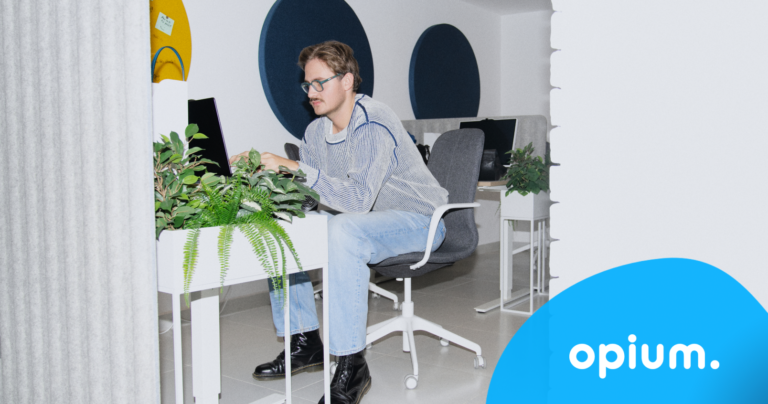
- Incorporating elements of nature, such as Plants or natural light, can improve cognitive function and overall mood, which also leads to higher productivity and satisfaction.
- Is your attention wandering and everything around you more interesting? Decorate your space with classic yellow sticky notes Paperclip with the day's priorities and leave everything else less important for later.
Combine these focused work sessions with other daily tasks and adapt them to your schedule and work. Remember that a few hours dedicated to truly focused work can significantly increase your efficiency. You'll get more done, feel better about yourself, and perhaps gain more free time!
In the following section, we will look at various specific techniques to hack your personal and professional workflow. We will explain how focus, productivity, and creativity are interconnected, as well as intrinsic motivation, feedback, and constructive criticism. We will also reveal why it's worth thinking like a scientist and what your full potential represents. Are you excited yet? You have every reason to be. Stay tuned!